Choose With Confidence for a Single‑Charge Day Out
Today we dive into compact versus long‑range EV rentals for one‑charge day adventures. We will explore real‑world range, terrain, weather, cargo, comfort, and costs, then map practical scenarios so you can decide confidently before pickup. Expect actionable checklists, stories from the road, and a simple decision flow that turns anxious battery math into exciting route planning. Share your favorite loops, ask questions, and subscribe for fresh, road‑tested ideas each week.
Match the Route to the Day
Small-footprint cars excel in tight streets, quick maneuvers, and short hops that keep speeds moderate and energy steady. If your day is a chain of neighborhoods and curbside stops, easy parking reduces hassle and heating losses while idling. Leave a safe buffer for traffic jams and navigation reroutes. Pack light, pre-warm before departure, and rely on regenerative braking in stop‑and‑go. You might finish early with charge to spare, ending the afternoon unrushed, unflustered, and delighted.
Long, uninterrupted stretches at higher speeds favor vehicles with bigger packs, especially when ocean winds build resistance and those tempting overlooks multiply. Each stop invites climate control cycles and camera moments that nibble away at capacity. A larger buffer protects spontaneity, letting you linger without energy anxiety. Bring layers to ease HVAC use, schedule an efficient lunch stop with shade, and track elevation changes along cliffs that subtly shift consumption across the radiant, wind-brushed golden hours.
Rolling terrain adds bursts of power on climbs and only partial payback on descents, making estimates slippery when curiosity leads you down a promising side road. Choose a model with responsive regeneration settings and clear energy graphs, then watch average consumption rather than instant readouts. Agile cars can still shine if the loop is short, but a bigger buffer helps when viewpoints, farm stands, and gravel turnouts start calling repeatedly and stretching your day beyond expectations.
Range, Weather, and Driving Reality
Cold mornings and cozy cabins drain more than you expect
Batteries prefer moderate temperatures, so frosty starts can trim usable range by noticeable margins, especially with short legs that never let the pack fully warm. Preheat while plugged in, use seat and wheel warmers first, and dress smart to spare the blower. Smaller packs feel the impact sooner due to limited buffers, while higher‑capacity rentals cushion drops and keep options open. Either way, begin at a comfortable cabin temperature to avoid constant reheating cycles across early stops.
Speed, wind, and drafting etiquette
Aerodynamics dominate energy use above city speeds, so an inviting empty highway can quietly erode your comfortable margin. Strong headwinds stack the effect, turning gentle cruising into steady work. Keep pace reasonable, leave respectful following distances, and avoid unsafe drafting temptations entirely. Consider scenic routes with lower limits that add memories, not anxiety. Agile city cars reward moderated speeds beautifully, while endurance-oriented models still deserve restraint to preserve the carefree, unhurried detours you will suddenly want.
Elevation, regen, and why downhill is not free
Climbing consumes more energy than descending can recover, and long descents often force friction brakes or capped regeneration at high states of charge. Start climbs with patience, crest with awareness, and enjoy controlled returns. Use one‑pedal modes where appropriate, but remember physics keeps its own ledger. Compact vehicles can manage shorter hill sets elegantly; bigger batteries add forgiveness when ridgelines keep stacking. Pick the option that fits total vertical gain and your curiosity for scenic overlooks.
Choosing Agility or Endurance With Confidence
The best decision reduces friction exactly where your day will create it. For tight parking, frequent stops, light cargo, and predictable weather, nimble rentals feel playful, economical, and surprisingly efficient. If your plan includes open roads, multiple passengers, uncertain forecasts, or a photo‑hunting heart, extra capacity buys flexibility and quiet confidence. Decide by constraints and joys together, not only price tags or advertised range. Match your energy to the car’s energy, and watch everything click.
State of charge targets and preconditioning
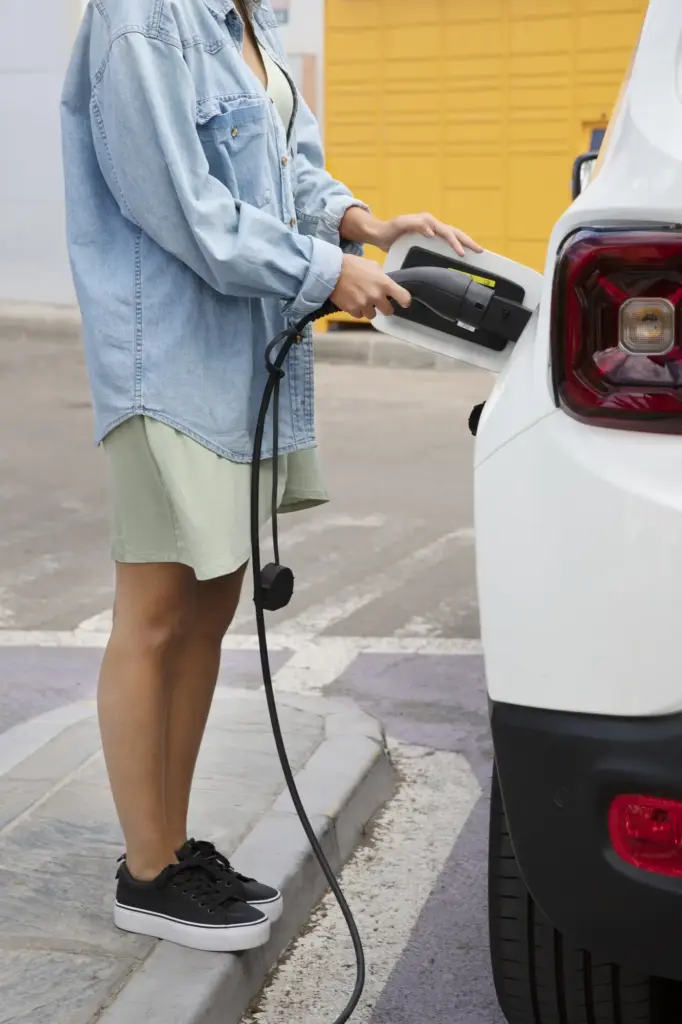
Starting at one hundred percent looks safe, yet some cars limit regeneration near a full pack, which matters if the day begins downhill. Consider a slightly reduced start if terrain suggests it, or simply expect more friction braking early. Warm the battery and cabin while connected to house power, not the car’s own reserve. These details become free range multipliers. Whatever you drive, thoughtful thermal prep smooths the first hour and unlocks consistent efficiency across the entire outing.
Tire pressure, apps, and offline maps

Underinflated tires quietly steal miles from even careful drivers, so request a quick gauge check or carry a portable pump. Install the companion app for remote preheat and lock status, and store your route inside the car’s navigation as well as on your phone. Download offline maps for coastal fog zones and mountain canyons where signals vanish. Small tech habits prevent big wrong turns and keep you focused on enjoying the landscape rather than troubleshooting under time pressure.
Test drive minutes that teach you everything
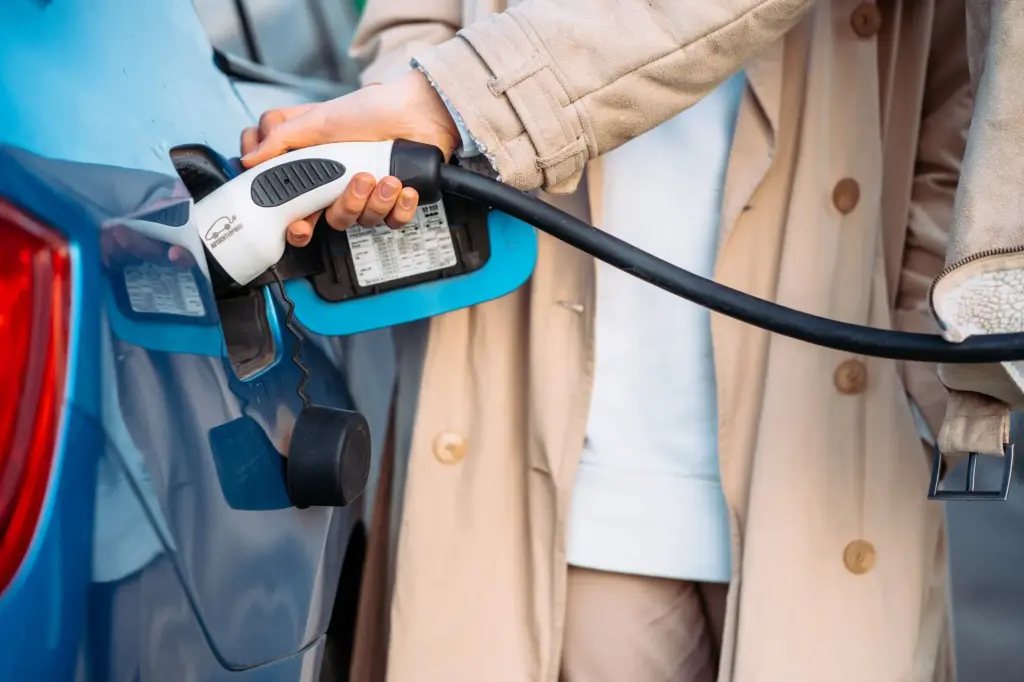
Before committing to the day’s arc, take a quiet neighborhood loop to learn regeneration settings, drive modes, and one‑pedal calibration. Note how the estimator projects remaining distance and whether it adapts quickly to your style. Practice parking maneuvers and confirm camera clarity in bright sun and shade. These calm minutes replace tomorrow’s what‑ifs with muscle memory. They also reveal whether light agility or substantial heft suits your wrists, your ears, and your preferred street rhythm.
Costs, Policies, and Hidden Miles
Clarity about money keeps the day light. Review mileage caps, late‑return windows, cleaning rules, and energy replacement expectations if the car returns below an agreed level. Ask about toll transponders, out‑of‑area boundaries, and winter equipment fees. Verify insurance coverage and roadside assistance specific to EVs, including flatbed requirements. Smaller classes often minimize deposits, while higher‑capacity models may carry larger holds. When you understand the math, you can prioritize memories, not paperwork, and spend smarter on delight.

Mileage caps, idling fees, and late-return math
A perfect loop can stretch when a cafe charms you or a gallery steals an hour. Know the per‑mile charge beyond caps and the grace period for bringing the car home. Some providers penalize extended idling or excessive HVAC use when stationary, especially near airports. Plan a soft return window, set calendar reminders, and build a closing buffer near the rental lot. Predictable exits keep budgets intact and leave everyone smiling at the key handoff despite timetable shifts.
Insurance, deposits, and temporary holds
Credit card benefits vary for electric rentals, and some policies exclude larger vehicles or certain regions. Confirm collision and liability coverage in writing, ask about tire and windshield add‑ons, and check how security holds affect your card limits during a long weekend. Smaller vehicles may carry lighter deposits that free funds for experiences, while bigger batteries justify higher holds with range comfort. Document walk‑around photos, note wheel condition, and depart with clear expectations, calm finances, and confidence.
Upgrade pathways if plans suddenly stretch
Sometimes a sunny forecast or a friend’s invitation turns an efficient loop into a sprawling ramble. Before pickup, ask about same‑day upgrades or swaps, and learn the app flow for changing classes. If demand spikes, you will move faster with knowledge already ready. City‑friendly drivers can leap to endurance confidence; endurance renters can downshift next time after learning their true needs. Flexibility begins with relationships and ends with a happier, better‑fitted journey that respects evolving curiosity.
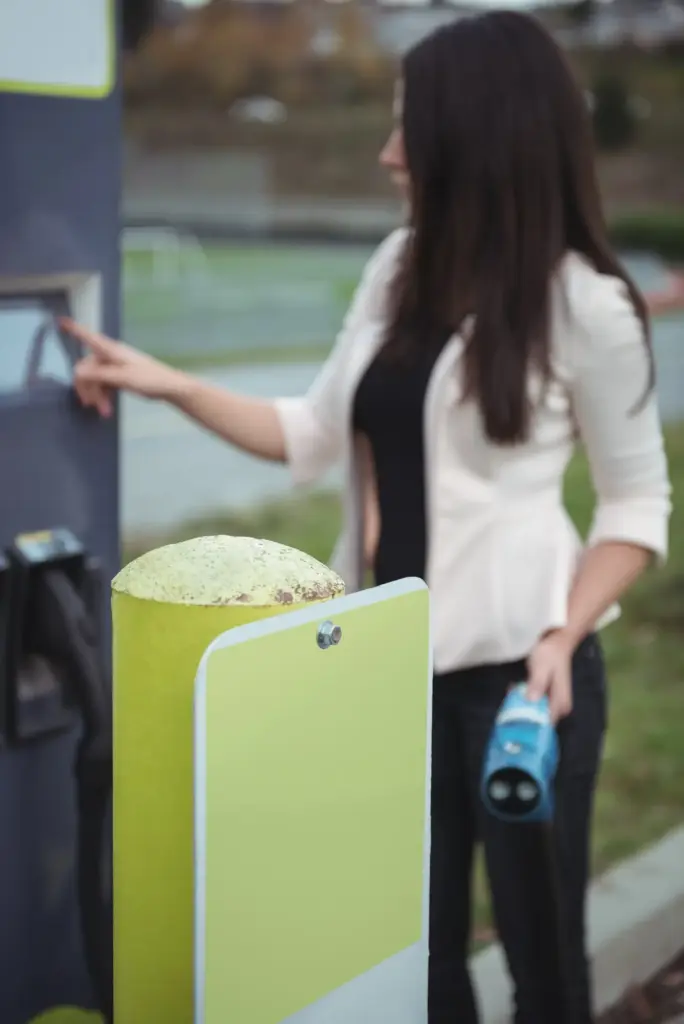
Photographer’s sunrise coast loop in a small hatchback
Leaving pre‑dawn in a light, nimble car, the driver preheated while plugged in, packed extra layers, and aimed for three overlooks before crowds. Moderate winds and 45 mph averages delivered generous efficiency. The surprise came when fog demanded repeated defog cycles during photo pauses. A modest buffer remained thanks to restrained speeds and warm seats instead of blasting air. Try a blue‑hour loop yourself and report how your own camera stops shaped consumption, timing, and joy.
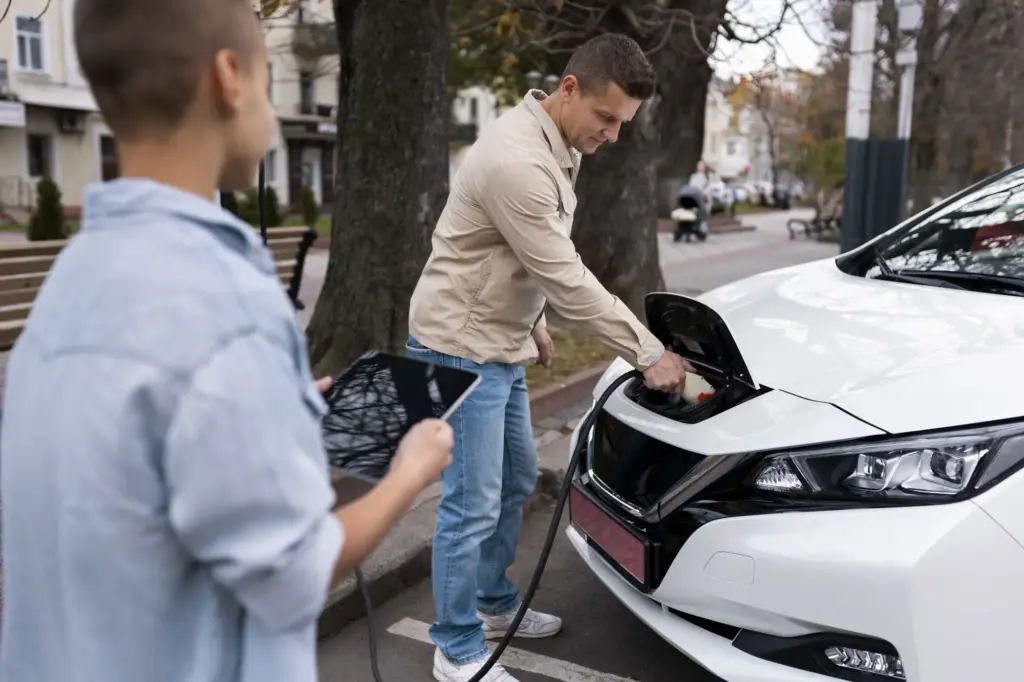
Family museum triad in a high-capacity crossover
Two kids, snacks, and a stroller filled the cargo bay, and comfort goals pointed to a larger battery. With offline maps loaded and a picnic plan in a shaded courtyard, the family flowed between venues without obsessing over numbers. Afternoon traffic arrived, but quiet cabins and playlists kept patience high. They returned with a double‑digit cushion and big smiles. Challenge yourself to design a culture day that prizes serenity, flexibility, and shared wonder as much as efficiency.